NDNS Key Findings on Nutrient Shortfalls
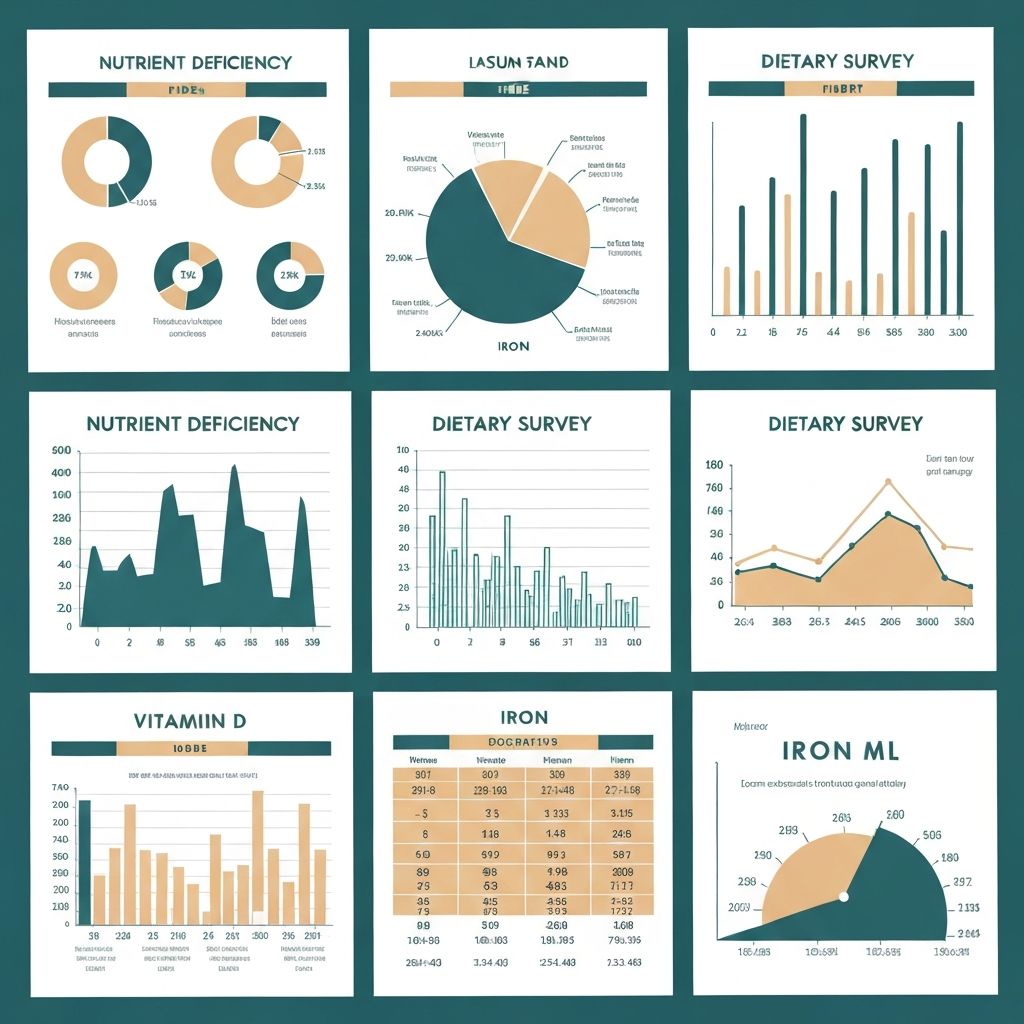
National Diet and Nutrition Survey Data on Inadequate Intakes
The National Diet and Nutrition Survey (NDNS) rolling programme consistently identifies nutrients where UK population intakes fall significantly below evidence-based recommendations. This research examines key findings on nutrient shortfalls observed across diverse UK demographic groups.
Fibre Intake Shortfalls
Fibre represents the most prevalent nutrient shortfall in UK dietary patterns. The NDNS data shows that average adult fibre intake is approximately 18 grams daily, substantially below the 30 grams daily recommendation.
This shortfall reflects low consumption of vegetables, fruits, whole grains, and legumes in typical UK diets. Refined grain products dominate consumption patterns, and wholegrain foods remain underconsumed across all demographic groups.
Fibre shortfalls are particularly pronounced in children and adolescents, with intake patterns suggesting limited exposure to high-fibre foods in school-based and home-prepared meals.
Vitamin D Intake Patterns
Vitamin D intake represents a widespread population-level concern. NDNS data indicates that vitamin D intakes are frequently below reference intake values across all age groups, with particular challenges in winter months when endogenous synthesis is reduced.
Dietary sources of vitamin D are limited in typical UK diets, being primarily found in oily fish, fortified foods, and egg yolks. The low consumption frequency of oily fish contributes significantly to vitamin D shortfalls.
Certain demographic groups show elevated vitamin D intake risks, including adults with limited sun exposure, individuals following specific dietary patterns, and populations with particular cultural or dietary practices.
Iron Intake Considerations
NDNS data reveals that iron intake patterns vary by demographic group. Particular segments of the population show below-reference intakes of iron from dietary sources.
Iron bioavailability varies considerably depending on dietary composition and food combinations. Plant-based iron sources show lower absorption rates compared to haem iron from meat, influencing overall iron status within populations.
Demographic analysis shows variation in iron intake adequacy based on age, sex, and dietary food group consumption patterns.
Folate and Other B Vitamins
Survey data indicates that folate intakes frequently fall below recommendations across UK population segments. Folate is primarily found in vegetables, fruits, legumes, and fortified grains.
The observed gap between typical intakes and recommendations reflects lower consumption of vegetable-based foods and legumes in everyday UK dietary patterns.
Other B vitamins show variable patterns across demographic groups, with some showing adequate intakes and others demonstrating consistent shortfalls.
Calcium Intake Patterns
NDNS data shows that calcium intakes vary across the population, with some demographic groups consistently consuming below recommended levels. Dairy products remain primary calcium sources in UK diets, and variations in dairy consumption create differences in population calcium intakes.
Individuals with reduced dairy consumption show markedly lower calcium intakes, representing an important population-level consideration.
Oily Fish Consumption Shortfalls
Oily fish consumption in the UK is extremely low compared to recommendations. National survey data shows that the vast majority of UK population consumes oily fish far less frequently than recommended.
This shortfall is significant given the role of oily fish in providing omega-3 fatty acids, vitamin D, and other nutrients. Low oily fish consumption represents a consistent pattern across all demographic groups in NDNS data.
Data Interpretation Context
These nutrient shortfall findings come from the NDNS rolling programme, which collects 24-hour dietary recall data and food diaries from representative UK population samples. The survey methodology allows detailed analysis of typical nutrient intakes compared to recommendations.
Shortfalls represent average patterns across populations and do not indicate that every individual falls below recommendations for every nutrient. Individual intake varies considerably around population averages.
Information Disclaimer
Educational content only. No promises of outcomes.
This article presents descriptive data from national dietary surveys. It is general information about observed patterns, not personal health or nutritional advice. Individual nutrient needs vary based on age, sex, activity level, health status, and other personal factors.
For questions about personal nutritional status or dietary adequacy, please consult qualified nutrition professionals.