Low Consumption of Vegetables, Fruits and Oily Fish
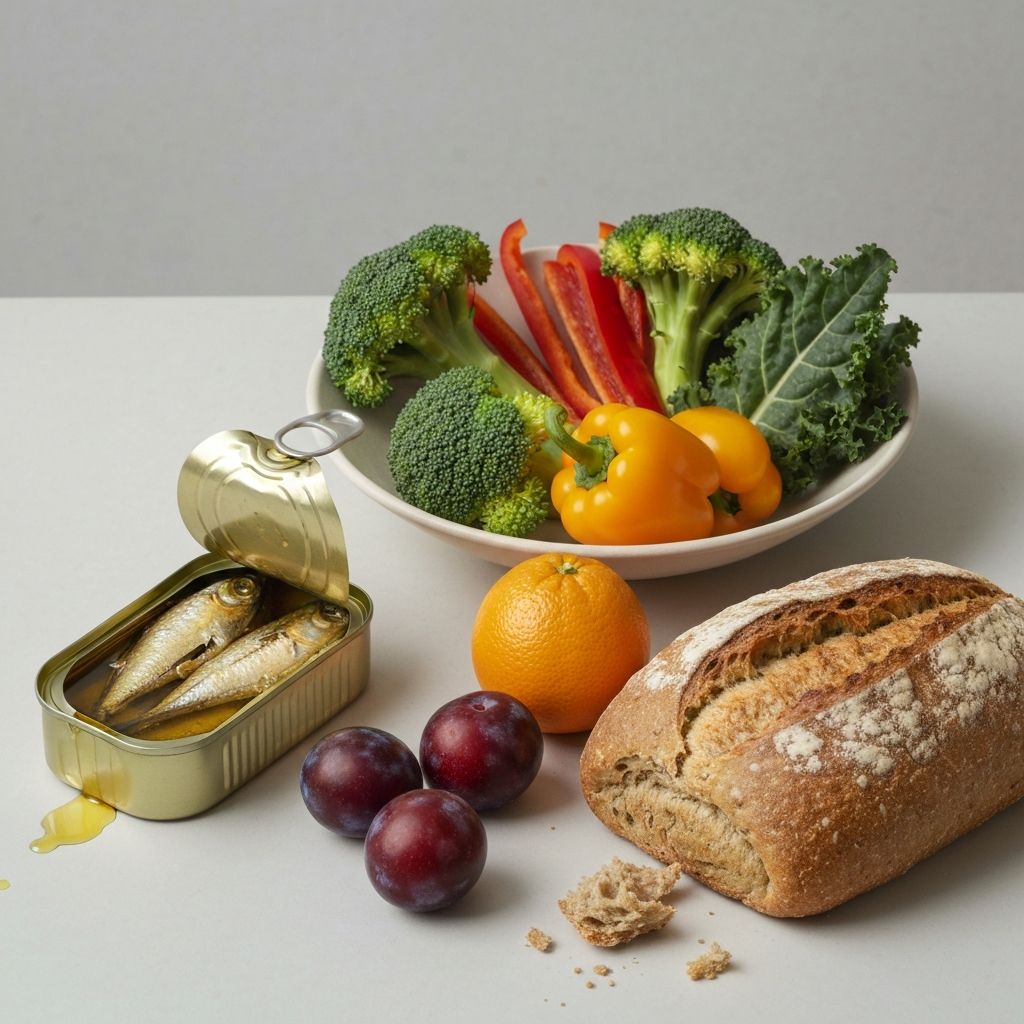
Food Group Consumption Gaps in UK Dietary Patterns
National Diet and Nutrition Survey (NDNS) data consistently documents under-consumption of several key food groups that are central to evidence-based nutritional recommendations. Vegetables, fruits, oily fish, and legumes are consumed in quantities substantially below recommended levels.
Vegetable Consumption Patterns
NDNS data shows that vegetable consumption falls significantly short of the Eatwell Guide recommendations. While the guide recommends approximately one-third of a meal plate to be vegetables, actual consumption patterns are substantially lower.
The types of vegetables consumed show particular patterns, with potatoes (including chips and fried potatoes) representing a significant proportion of total vegetable intake in many demographic groups, rather than a diverse range of fresh vegetables.
Certain vegetable categories show particularly low consumption, including leafy greens, cruciferous vegetables, and other nutrient-dense varieties. Processed vegetable products in ready meals represent a portion of vegetable intake rather than fresh, whole vegetables.
Fruit Consumption Shortfalls
The "5-a-day" recommendation for fruit and vegetable consumption is rarely met in UK population data. Fruit consumption specifically falls substantially short of optimal intake patterns.
Processed fruit products and fruit juices represent a portion of recorded fruit intake, while fresh whole fruits show lower consumption frequency. Some population groups show very limited fruit consumption across all forms.
Seasonal variation affects fruit consumption patterns, with availability and marketing of particular fruits influencing intake across different times of year.
Oily Fish Consumption Patterns
Oily fish consumption represents one of the most pronounced dietary shortfalls in UK national survey data. The recommended consumption of oily fish at least once weekly is rarely achieved across UK demographic groups.
Actual oily fish consumption frequencies are typically much lower, with substantial portions of the population consuming oily fish less than monthly or not at all. This represents a significant gap from recommendations.
Cost, taste preferences, accessibility, and cultural factors influence oily fish consumption patterns. The absence of oily fish from typical meal patterns contributes to widespread omega-3 and vitamin D shortfalls.
Whole Grain Consumption
Whole grain consumption remains low compared to refined grain consumption in UK dietary patterns. White bread, white rice, and refined grain products dominate grain consumption in typical UK diets.
While wholegrain options are increasingly available, intake data shows that refined grain products remain the predominant form of grain consumption across most demographic groups.
The shift toward refined grains from whole grains contributes to fibre shortfalls and altered micronutrient intake patterns documented in NDNS data.
Legume and Pulse Consumption
Consumption of legumes (beans, lentils, peas) represents another significant food group shortfall. Legumes provide plant-based protein, fibre, and micronutrients central to evidence-based dietary guidance.
Actual legume consumption in UK diets remains minimal for many population groups, with legumes appearing infrequently in typical meal patterns. Canned beans in tomato sauce represent a portion of legume intake rather than varied preparations.
Low legume consumption reflects limited exposure to preparation methods and cultural familiarity with diverse legume-based meals in UK dietary traditions.
Demographic Variations in Food Group Consumption
NDNS data reveals patterns in how food group consumption varies across age, income level, and region. Some demographic groups show even lower consumption of these key food groups than population averages.
Socioeconomic factors influence access to and consumption of fresh vegetables and fruits. Regional availability affects which food groups appear most frequently in local diets.
Age-related patterns show variation in willingness to consume certain food groups, with children and adolescents showing particularly low vegetable consumption in national survey data.
Contribution to Nutrient Shortfalls
The low consumption of vegetables, fruits, oily fish, and legumes directly contributes to documented nutrient shortfalls. Fibre inadequacy is substantially driven by low consumption of these specific food groups.
Vitamin and mineral shortfalls are partially explained by the low frequency with which nutrient-dense vegetables and fruits appear in typical meal patterns.
The gap between actual food group consumption and recommendations represents a fundamental feature of UK dietary patterns.
Data Interpretation Context
This analysis comes from NDNS food consumption data collected through detailed dietary assessment methods. The data describes actual patterns of food group consumption among representative UK population samples.
Low consumption patterns represent observable characteristics of current UK dietary habits and food purchasing decisions, not prescriptive statements about what any individual should consume.
Information Disclaimer
Educational content only. No promises of outcomes.
This article presents descriptive data from national dietary surveys on food group consumption patterns. It is general information about observed dietary patterns, not personal nutritional advice.
Individual food preferences, allergies, cultural factors, and dietary needs vary. For personal guidance on food choices and consumption patterns, please consult qualified nutrition professionals.