Meal Skipping and Snacking Frequency in UK Adults
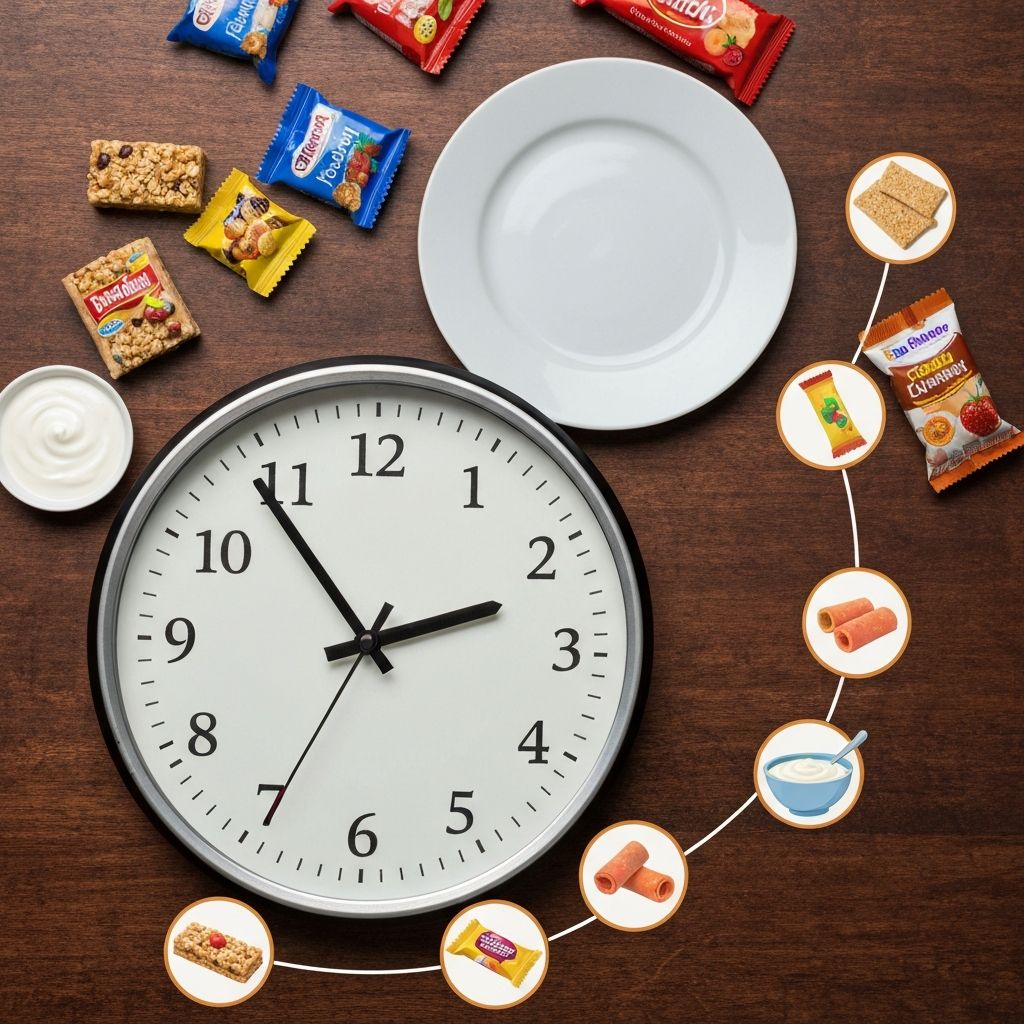
Meal Timing and Frequency Patterns in UK Dietary Data
The National Diet and Nutrition Survey (NDNS) documents changing patterns in meal timing, meal skipping prevalence, and snacking frequency in UK populations. These patterns represent significant deviations from traditional meal structures and have implications for overall dietary composition and nutrient intake.
Breakfast Skipping Prevalence
NDNS data shows that breakfast skipping is common across UK demographic groups, particularly among working-age adults and younger populations. Substantial portions of the population consume no breakfast or foods defined as breakfast.
Breakfast skipping prevalence has increased significantly over recent decades, representing a notable shift from historical meal patterns. The proportion of the population skipping breakfast varies by age group and demographic characteristics.
Individuals who skip breakfast often show different nutrient intake patterns throughout the day, with potential compensatory eating later in the day or reduced overall nutrient intakes.
Meal Timing Patterns
NDNS data documents variation in meal timing across the population. Traditional three-meal patterns (breakfast, lunch, dinner) are less common than historical patterns.
Meal timing shows considerable individual variation, with some individuals consuming meals at irregular times and others following more structured patterns. Evening meals frequently represent the largest eating occasion for many individuals.
The variability in meal timing reflects changes in work patterns, school schedules, commuting time, and lifestyle factors affecting when people eat throughout the day.
Snacking Frequency and Patterns
Snacking frequency has increased substantially in UK dietary patterns. Survey data shows that multiple snacking occasions per day are common across many population segments.
Snacking occasions contribute substantially to total daily energy intake and nutrient consumption. The types of foods consumed for snacking show distinct patterns, heavily weighted toward ultra-processed products.
Common snacking foods include crisps, biscuits, confectionery, soft drinks, and other packaged convenience foods. Fresh fruits and nuts represent smaller portions of snacking food choices in typical patterns.
Portion Size Norms
NDNS data indicates that common portion sizes often exceed recommended portion guidelines. Typical portion sizes consumed for main meals frequently exceed published portion recommendations.
Portion size norms have increased over time, reflecting broader changes in food service and home eating practices. Larger portion sizes are associated with increased energy intake at individual eating occasions.
Both restaurant meals and home-prepared meals show evidence of portion sizes exceeding nutritional guidance for appropriate portions.
Irregular Meal Patterns
Survey data documents that irregular meal eating patterns are common in UK populations. Some individuals show highly variable meal timing and frequency day-to-day.
Work schedules, school schedules, and personal circumstances influence meal timing regularity. Shift work and non-standard work hours contribute to varied meal timing patterns.
Irregular meal patterns correlate with different overall nutrient intake characteristics compared to more structured meal patterns.
Demographic Variations in Meal Patterns
NDNS data reveals that meal timing and eating patterns vary across demographic groups. Age, employment status, household structure, and other factors influence meal patterns.
Breakfast skipping shows particular prevalence in certain age groups and employment categories. Snacking frequency shows variation by age, with children and adolescents showing particular patterns.
Socioeconomic factors correlate with differences in meal pattern characteristics.
Eating Occasions and Distribution Throughout the Day
The distribution of eating occasions throughout the day shows variation in NDNS data. Some individuals concentrate most energy intake into fewer eating occasions, while others distribute intake across many small eating occasions.
Snacking occasions often represent substantial eating occasions, particularly when larger portions or multiple snacking occasions occur in a day.
Evening eating occasions frequently represent the largest eating occasion for many individuals, contributing substantially to daily nutrient and energy intake.
Relationship to Nutrient Intake Patterns
Meal and snacking patterns correlate with overall nutrient intake characteristics documented in NDNS data. Breakfast skipping is associated with different daily nutrient intake patterns.
The types of foods consumed for snacking meals directly influence overall nutrient intake, particularly regarding free sugars, saturated fat, and ultra-processed food contribution.
Portion size patterns influence overall energy intake and its relationship to energy requirements.
Data Interpretation Context
These meal pattern findings come from detailed NDNS data collection documenting eating occasions, meal times, and foods consumed throughout the day. The data describes observable patterns in how UK populations distribute eating and meals across the day.
Meal and snacking patterns represent characteristics of current UK eating habits rather than prescriptive statements about how individuals should structure meals.
Information Disclaimer
Educational content only. No promises of outcomes.
This article presents descriptive data from national dietary surveys on meal and snacking patterns. It is general information about observed eating patterns, not personal dietary advice.
Individual meal patterns are influenced by personal preferences, work schedules, cultural factors, and other circumstances. For guidance on personal meal timing and structure, please consult qualified nutrition professionals.